Airports and transit
Fire rated glazing for airports and transit
A terminal is the one building type where somebody may be twelve minutes from an exit on foot. Everything about the boundary follows from that number.
120min
FT-PD integrity and radiation
60–200mm
Profile depth for span
BR6
Tested to, at the screening line
What changes in Airports and transit
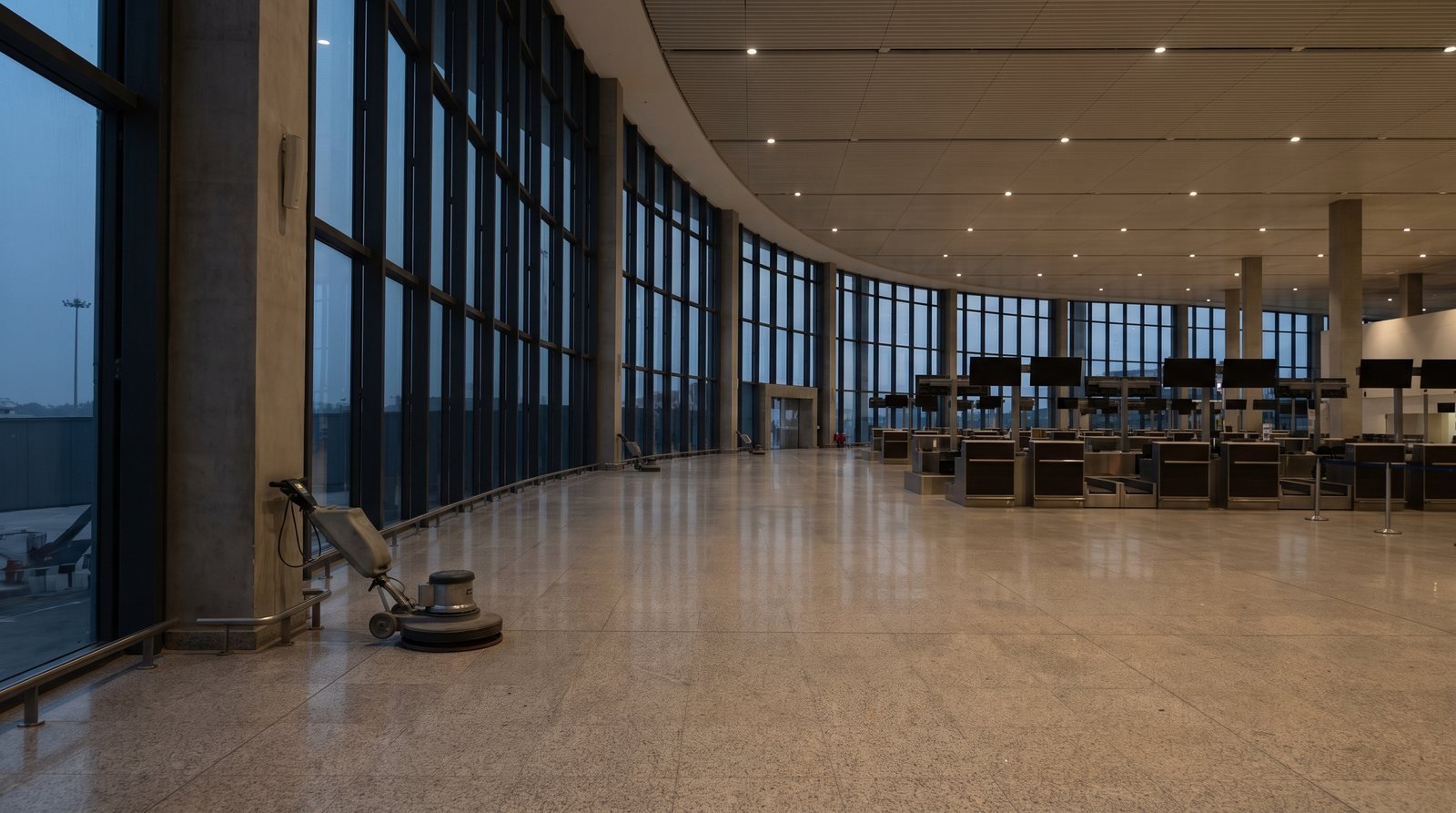
Duration is set by travel distance, not by the product
In an office a compartment has to hold while a floor clears, and a floor clears in minutes. In a pier it has to hold while a phased evacuation moves several thousand people over distances measured in hundreds of metres, some of them through security, some of them with luggage, some of them not fluent in the language the announcement is in.
A thirty-minute boundary is not a smaller version of a two-hour one in that situation. It is a boundary that fails while people are still walking towards it. This is the sector where FT-PD’s 120 minutes of integrity and 120 minutes of radiation control are worth what they cost.
Long spans make depth the governing dimension
Everywhere else on this site the important number is the 60 mm face width. In a terminal it is the depth. A curtain wall bay in a concourse can be several storeys tall with nothing to restrain it between slabs, and the profile has to carry wind and its own weight over that span while staying inside a rated assembly.
The FT-CW range runs 60 to 200 mm deep for exactly that reason — a podium bay and an atrium bay are the same system with a different section, so a facade can follow the building without a change of manufacturer halfway along an elevation.
The screening line is a ballistic boundary as well as a fire one
Landside-to-airside transitions and screening halls are where a terminal’s security envelope is physically drawn, and in India that is regulated territory. BR-Shield has been trialled against 7.62 × 51 mm at two government laboratories with no perforation, and it is built on the same steel system as the fire systems — so the fire boundary and the security boundary can be one detail rather than two frames meeting at a junction.
Steel systems made by Firetec. The frame is specified together with the glass it holds, rather than assembled from whatever is available — which on a rated assembly is the difference between two components that passed and one that works.
2 systems
What this sector specifies
Classifications are what the test reports record. Where older marketing material runs ahead of a report, this site prints the report.
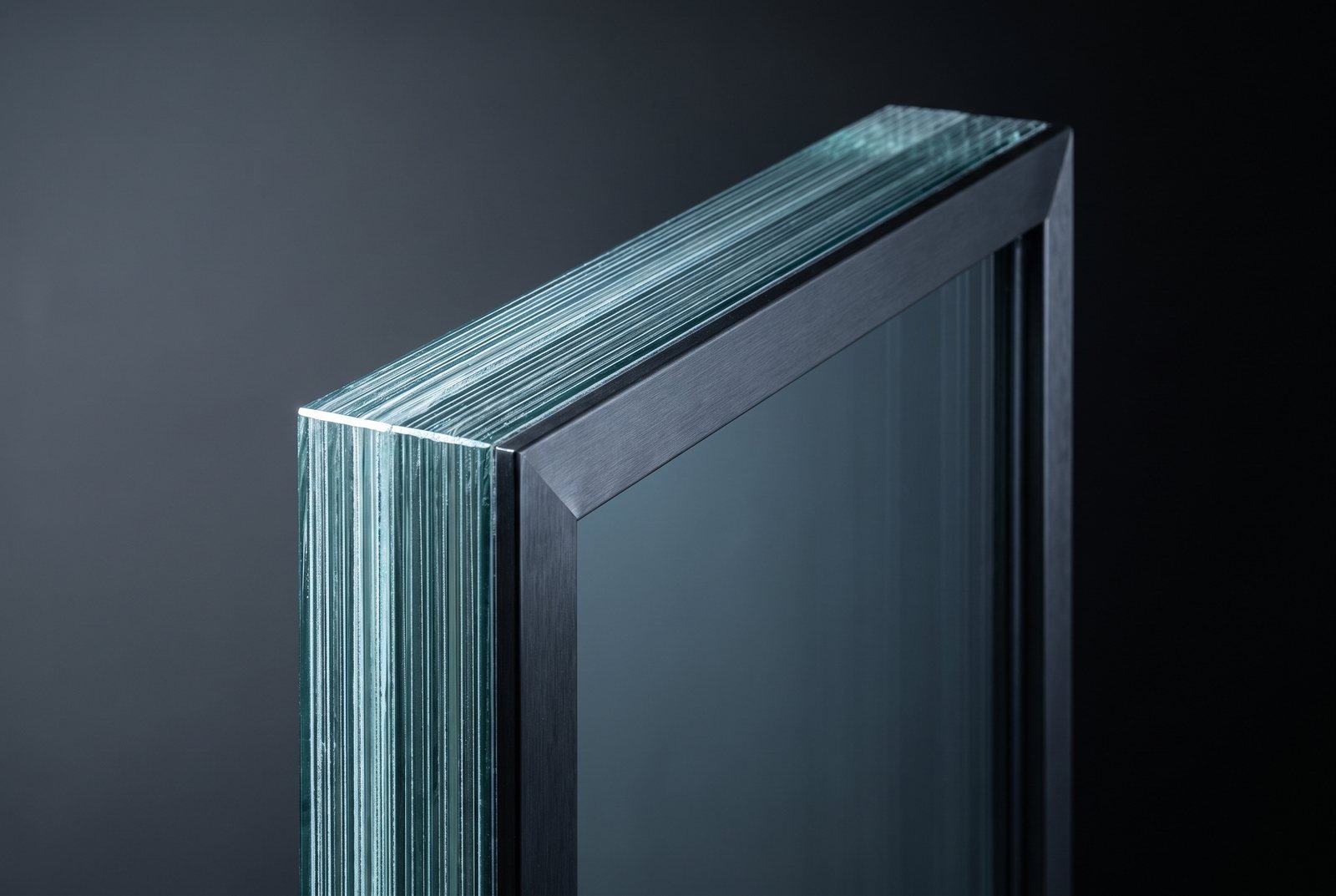
BR-Shield
Bullet Resistant Systems
Cold-rolled steel systems with glass in the system, as door systems, fixed partitions and cap curtain wall. Tested to EN 1063 BR6 and EN 1522 FB6 - partial compliance.
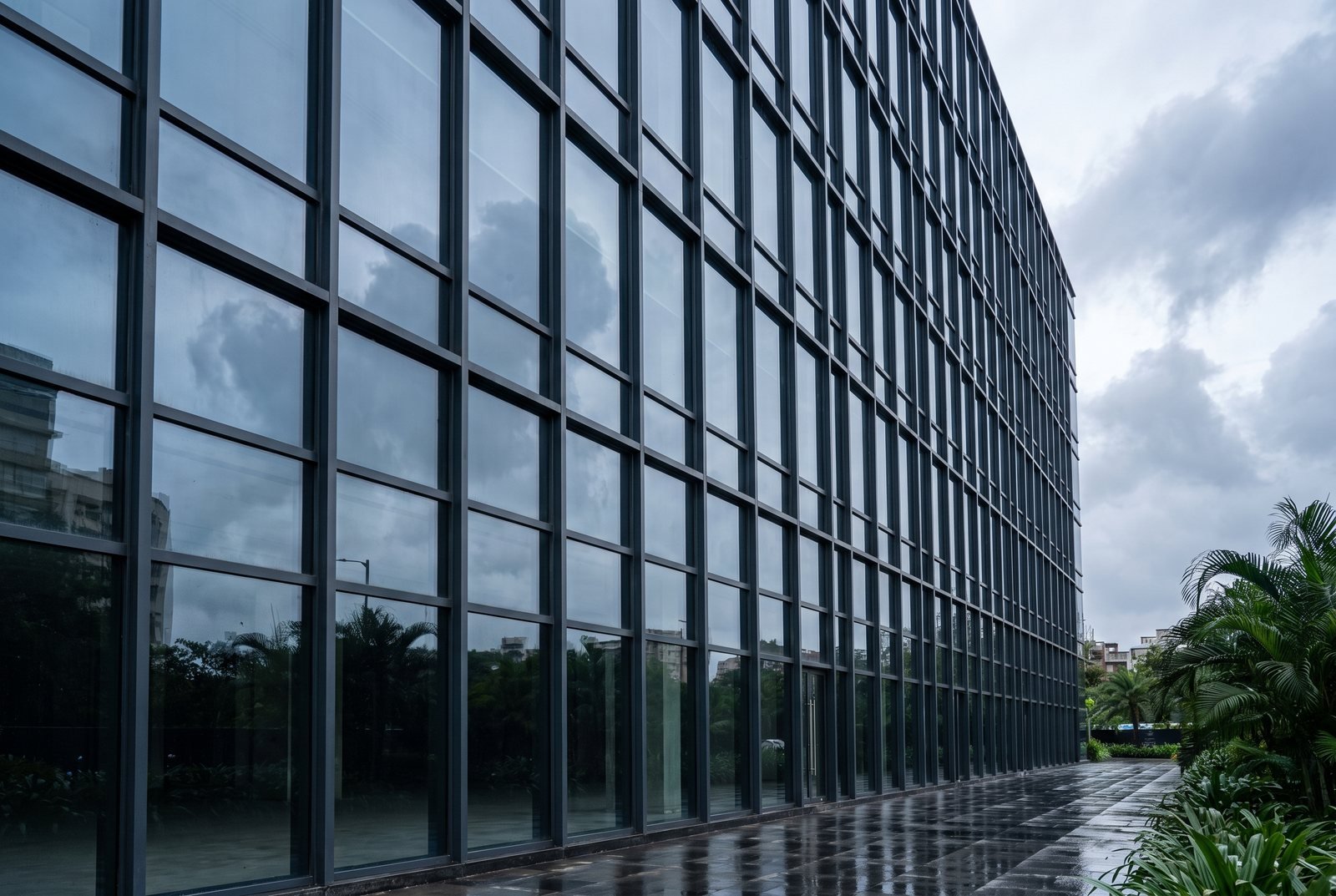
FT-CW
Fire Rated Curtain Wall
Mullion and transom curtain wall on a slim 45-60 mm face. The curtain wall was intact on both faces at the end of a two-hour test.
Evidence
What is behind the numbers on this page
Four laboratories, described in prose on the system pages. No report, certificate or scan is reproduced anywhere on this site.
Codes and compliance
Airside work is specified against BCAS Aerocity regulations, which Firetec states compliance with.
| BCAS Aerocity regulations | Compliant with BCAS Aerocity regulations | Firetec |
|---|---|---|
| National Building Code | Developed against NBC norms | Firetec |
| Where the testing was done | Two NABL accredited laboratories covered by ILAC for the fire tests, and TBRL Chandigarh (DRDO) and NFSU Gandhinagar for the ballistic trials | Test reports |
Next step
Request the catalogue
Profile geometry, component schedules and typologies for all three systems. Tell us what you are specifying and we will send the test reports relevant to it.
Or talk to a person